Why do you need Coil Cleaning?
As summer heat ramps up, air conditioning technicians should be prepared to address a common cooling system issue: dirty coils. Both the indoor evaporator and outdoor condenser coils can accumulate dust, dirt and debris, which reduces cooling performance and shortens system lifespan. Coil cleaning is one of the most critical preventative maintenance services an technician can perform. The key to effective cleaning is knowing the right techniques and using the appropriate cleaner.
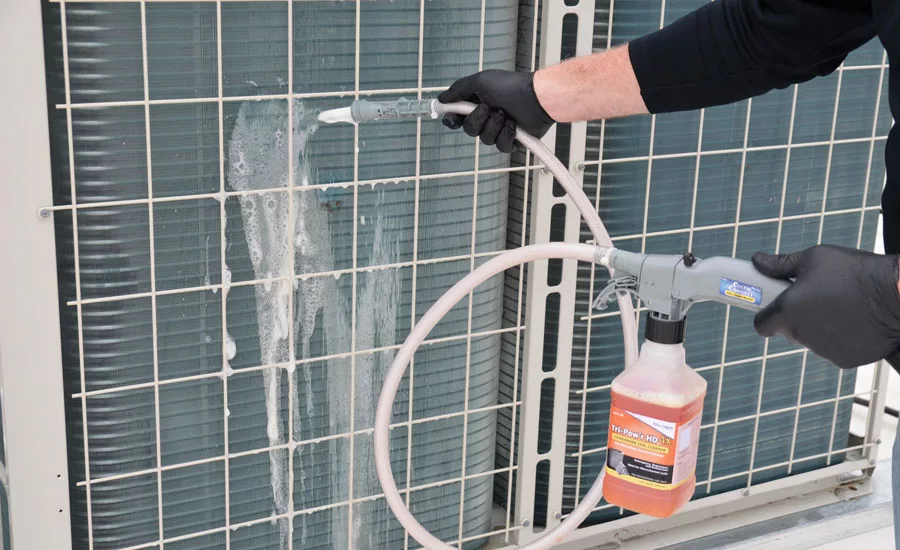
Importance for cleaning:
Coil cleaning is an essential piece of preventative maintenance that helps AC systems perform at their best. Dirty coils can impede airflow and negatively impact system performance. Regular visual inspections and attention to performance metrics, such as energy bills and cooling efficiency, are early warning signs that coils may need to be cleaned. Air conditioning evaporator and condenser coils collect dust, dirt, grime, lint and other contaminants that impact the function of the coil. An unclean coil can result in poor airflow, which reduces the efficiency of the air conditioner and increases cooling costs. A product such as Air Conditioning Coil Cleaner removes counterproductive dirt and oxidation from air conditioning coils, allowing them to work more effectively. This can help lower electricity bills and extend the lifespan of the air conditioner. This type of cleaner generally requires no disassembly of the unit, and can be applied to evaporator or condenser coils with a spray. The foaming action of the cleaner allows it to remain in contact with the coil surface for an extended dwell time, helping to effectively dissolve and lift stubborn deposits.
Types of Cleaners
Air conditioning systems are responsible for moving conditioned air throughout a space, so it’s important to keep them working properly. One crucial task that often gets overlooked is routine coil cleaning , which helps optimize efficiency and reduce energy consumption. Coil cleaners are categorized as acid-based or non-acidic, and both are effective at removing stubborn mineral deposits and rust. However, acidic cleaners are more powerful and can damage the coils if not rinsed thoroughly. Non-acidic cleaners are safer and more effective for evaporator coils, as they can break down grease and organic residues without damaging the coils. To use a coil cleaner, technicians remove the outer cover and fan, then disconnect power to ensure a safe work environment. They apply the cleaner to the coils, using a soft-bristle brush or fin comb to gently scrub the coils and fins. After the cleaner has had time to work, they rinse off the coils with a hose, careful not to bend the delicate fins. They then inspect and reassemble the unit, and test it for proper operation.
Safety
While a coil-cleaning program should be part of every facility manager’s maintenance schedule, it is important to follow safety measures when using this equipment. Proper personal protective equipment (PPE) should be worn at all times to prevent chemical exposure. Work in a well-ventilated area and use fans to increase air circulation.When using acid-type cleaners, be sure to read and follow the manufacturer’s directions to ensure that no more than the recommended amount is used on a coil. Also, if possible, pre-rinse coils before cleaning.Foaming coil cleaners expand into a thick foam when sprayed, penetrating tight spaces to break down grime and stubborn soils. Some foaming cleaners are corrosive, so they require thorough rinsing after application to remove the dissolved dirt and the corrosive cleaner. Choose a non-corrosive, nontoxic, odorless foaming coil cleaner like Goodway CoilShine to avoid pitting and damage to aluminum fins. Always rinse with water after rinsing to prevent flooding of the access panel and drain line.
Equipment
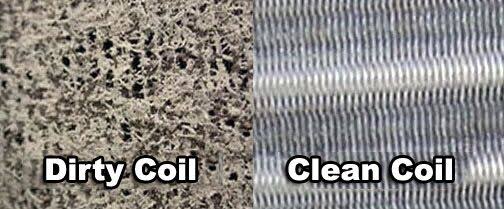
In addition to proper technique, the right equipment makes the job easier. For example, spray-on cleaners minimize unit disassembly, and they can usually reach the coils and fins without requiring the removal of a protective cover. A cleaner with a low pH level also minimizes the corrosive effects of acid, which can damage the aluminum coil fins. The best cleaning products are safe and effective for occupied spaces, such as offices and restaurants. They feature odor-free, non-toxic formulas and support safe, efficient HVACR maintenance. coil cleaning is a critical service that can reduce air conditioning energy costs by removing counterproductive dirt and oxidation from the coils. This allows the unit to circulate more fully, cooling the indoor space better and extending the life of the air conditioner. While a visual inspection may reveal the need for cleaning, other signs of impending trouble include a foul or musty odor and microbial growth on the coils. When a unit is dirty, dusty or clogged with debris, it must work harder to cool the indoor environment, which results in higher electricity bills. The Super Max lineup includes high-output pressure washers that can easily clean coils and other HVAC components. The Super Max 7000 AST delivers 1000 psi of pressure with hot water up to 330°F, which blasts away heavy grime and dissolves organic residues. Combined with steam, the lower water pressure prevents damage to delicate coils.
